Dopamine enhancement of NMDA currents in dissociated medium-sized striatal neurons
Flores-Hernández J et al. · Journal of Neurophysiology
SNII · 2024 to 2028
Level II
National Researcher
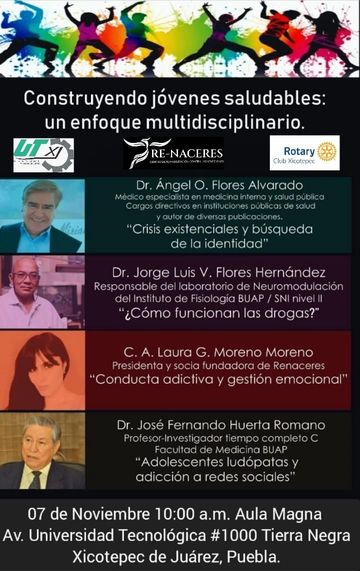
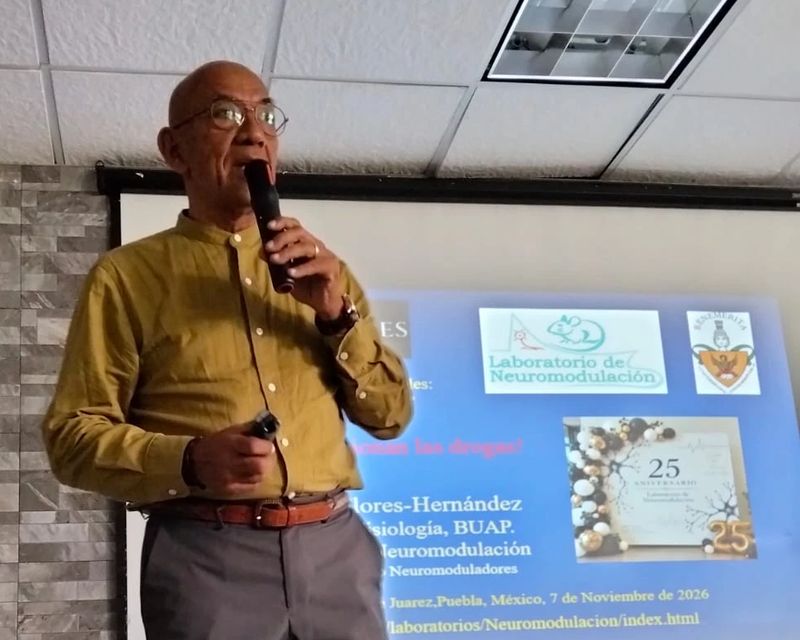
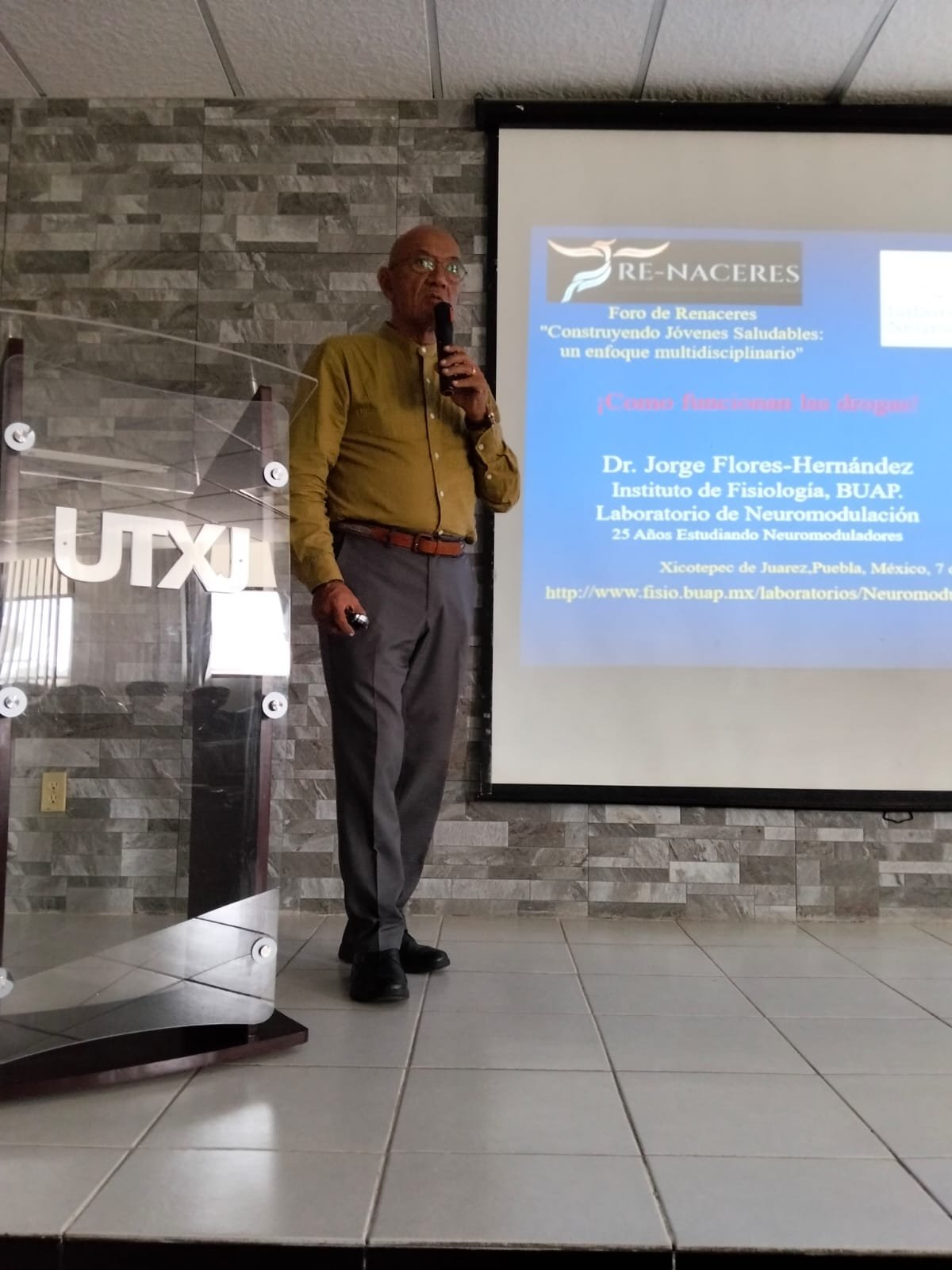
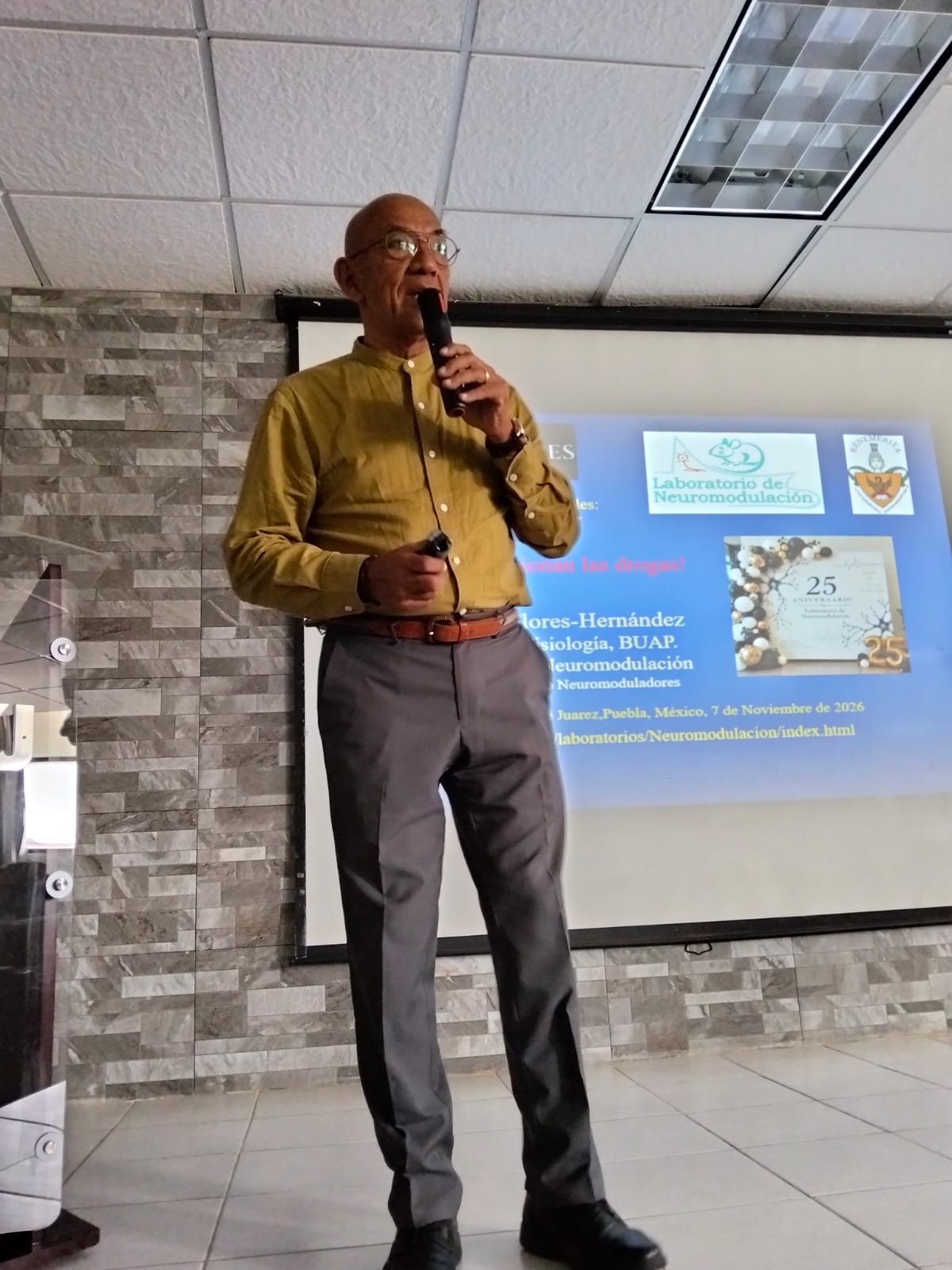
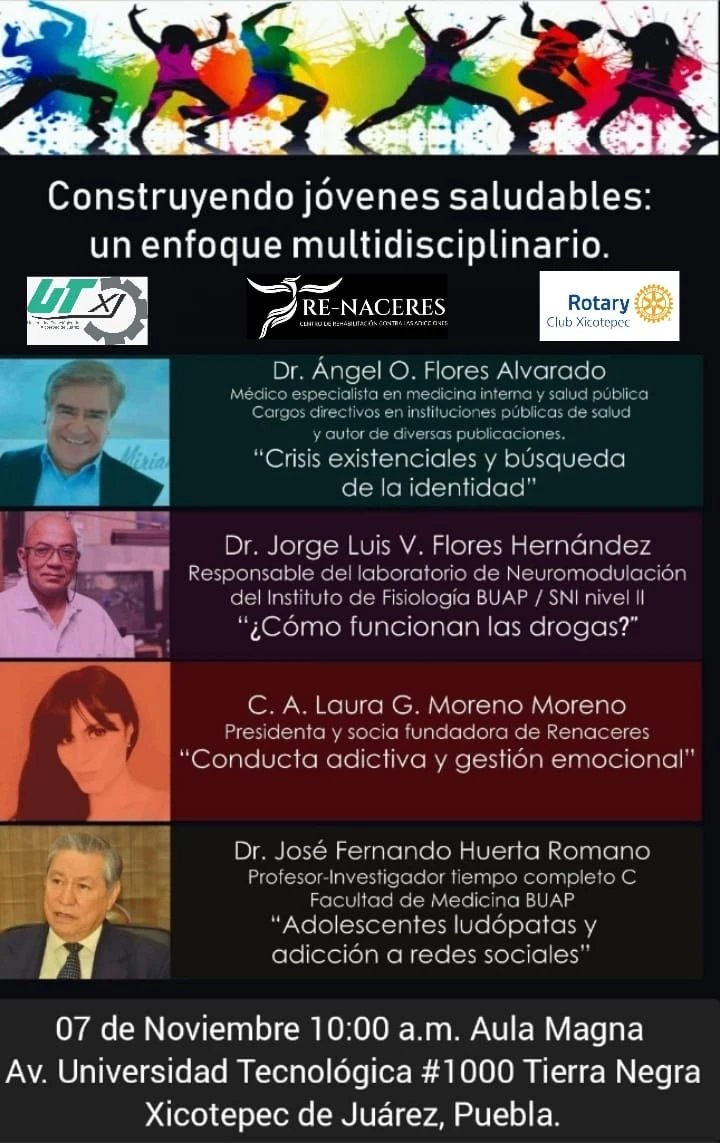
Talk · 7 Nov 2026
How do drugs work?
Aula Magna, UTXJ, Xicotepec de Juárez
He has run the laboratory since 2001 at BUAP's Institute of Physiology in Puebla, Mexico. The lab studies how dopamine, acetylcholine and serotonin change the way a neuron responds.
Patch-clamp recordings in isolated neurons and rat brain slices: prefrontal cortex, striatum, nucleus accumbens and ventral tegmental area.
01 Dopamine and the striatum
How D1 and D2 receptors regulate striatal NMDA and GABA-A currents through the PKA/DARPP-32 cascade.
Signalling pathway · D1 receptor
DopamineD1 receptor
PKAkinase
DARPP-32phosphoprotein
PP1phosphatase
GABA-A currentreduced
Journal of Neurophysiology 83:2996 · 2000
02 Acetylcholine and serotonin
Direct cholinergic inhibition of the NMDA receptor, and what serotonin in gestation changes in the offspring.
Recording · rat neocortexSchematic
NMDA currentpA
ControlAcetylcholine
Pyramidal neuronms
03 Disease models
Models of Huntington's and Parkinson's disease: what changes in the neuron when neuromodulation fails, and what protects it.
ProtocolModels
Model
Huntington's disease, 3-nitropropionic acid
Model
Parkinson's disease
Neurons
Striatal
Recording
GABA-induced currents
Question
What changes when neuromodulation fails, and what protects the neuron
Brain Sciences 8(12):217 · 2018
04 New tools
Molecular docking on the NMDA receptor, computer vision with INAOE and teaching simulators.
Tools
2022Molecular dockingAcetylcholine on the NMDA receptor · ACS Chemical Neuroscience
2025Computer visionSegmenting neurons in low-resolution microscopy, with INAOE · Computación y Sistemas
TeachingTeaching simulatorsOf the NMDA receptor, for the classroom
Twelve papers, 1994 to 2025
Newest first, each with its journal, authors, DOI and the citations OpenAlex counts. See all on ORCID
Publications /SelectedCitations: OpenAlex, Nov 2026
Paper ·
Ibogalogs improve spatial and recognition memory in rodents through 5-HT2A receptor activation-enhanced NMDA receptor activity in hippocampal CA1 neurons
Chagraoui A, Haro Santillán LA, et al., Flores-Hernández J, Arias HR
A biologist from UNAM, with a master's and a doctorate from the Instituto de Fisiología Celular under Elvira Galarraga and José Bargas. Two postdocs followed: with D. James Surmeier in Memphis, and with Michael Levine and Carlos Cepeda at UCLA.
His most cited papers, written with Paul Greengard, the 2000 Nobel laureate in Medicine, describe how the D1 dopamine receptor regulates the GABA-A and NMDA currents of striatal neurons.
Faculty of the MSc and PhD programmes in Physiological Sciences at BUAP. He has supervised undergraduate, master's and doctoral theses in electrophysiology, and co-supervises work with INAOE and the Autonomous University of Tlaxcala.
The theses cover the serotonergic and cholinergic modulation of glutamate currents, and the effects of dapsone and aripiprazole on the NMDA receptor.
UNAM
UCLA
Oklahoma State University
Inserm, Rouen
University of Łódź
Complutense University of Madrid
INAOE
Autonomous University of Tlaxcala
Career from 1981 to today
From UNAM to Puebla, by way of Memphis and Los Angeles. Figures from OpenAlex, November 2026.
63
indexed works
2,745
citations of those works
26
h-index
25
years at the head of the laboratory
1981 to 1987
BSc in Biology
Faculty of Sciences, UNAM
1988 to 1995
MSc and PhD
Instituto de Fisiología Celular, UNAM
1996 to 1998
Postdoctoral fellow
University of Tennessee, Memphis
1998 to 2001
Postdoctoral fellow
UCLA Neuropsychiatric Institute
1999 to 2000
Tourette Syndrome Association Research Award
UCLA
Since 2001
Full Professor and Researcher
Institute of Physiology, BUAP
2010
Puebla State Prize for Science and Technology
Puebla
2013 to 2015
University Councillor
Institute of Physiology, BUAP
2024 to 2028
National Researcher, Level II
SNII, a candidate from 1991, Level I from 2002 to 2023
Talks and interviews outside the laboratory
For audiences outside neuroscience, and a personal project about what we believe and how that becomes biology.
Talk ·
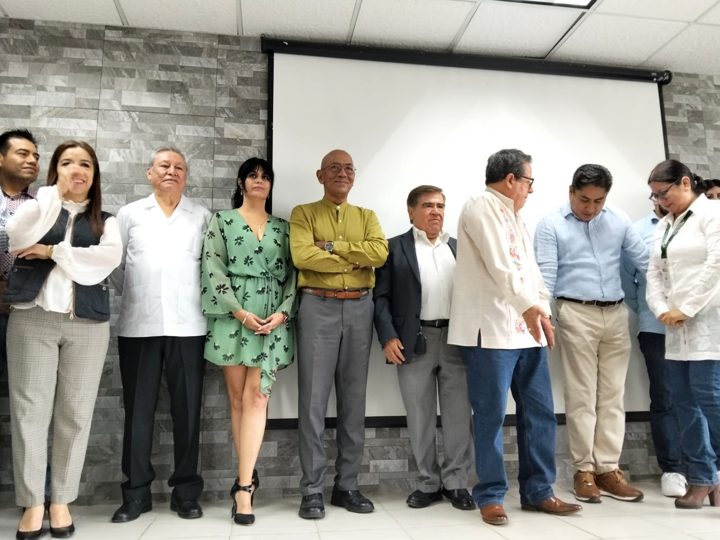
How do drugs work?
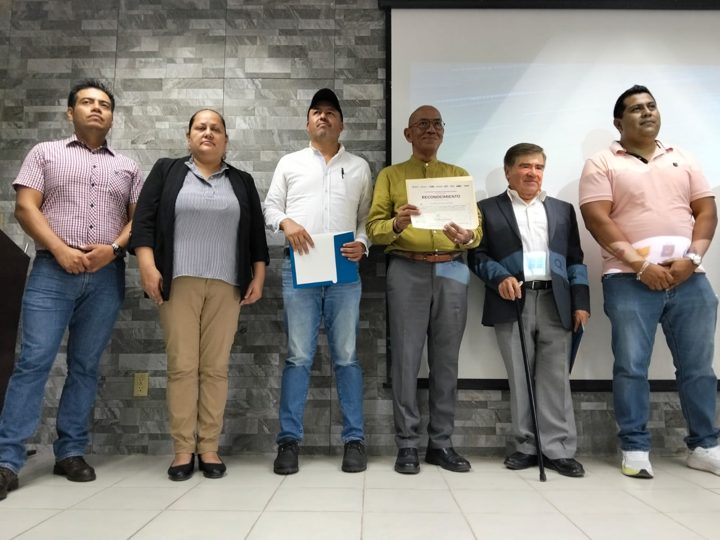
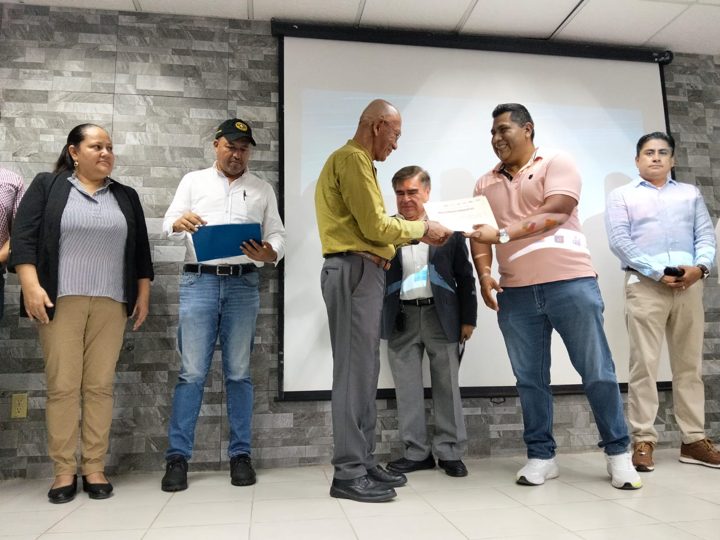
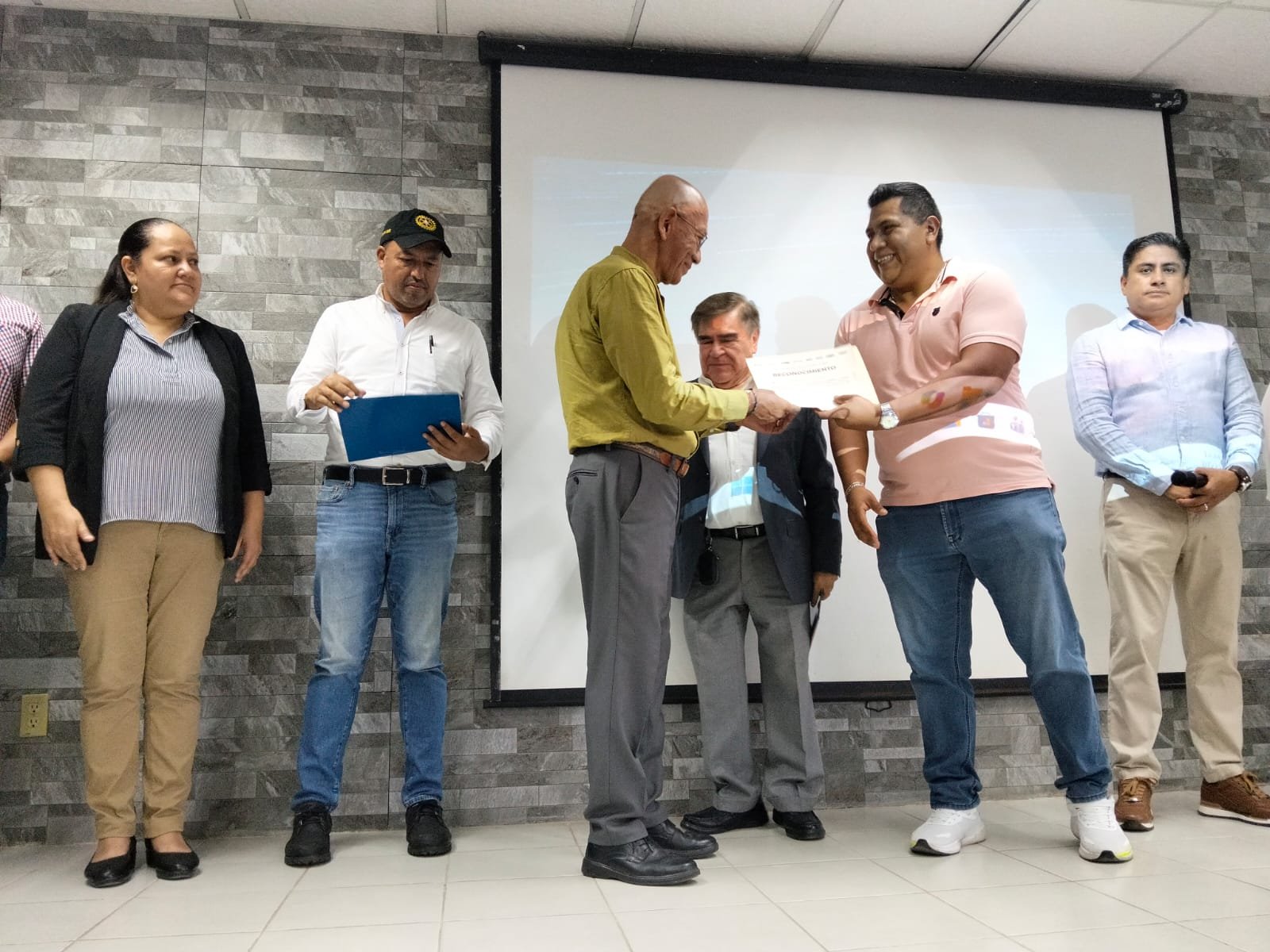
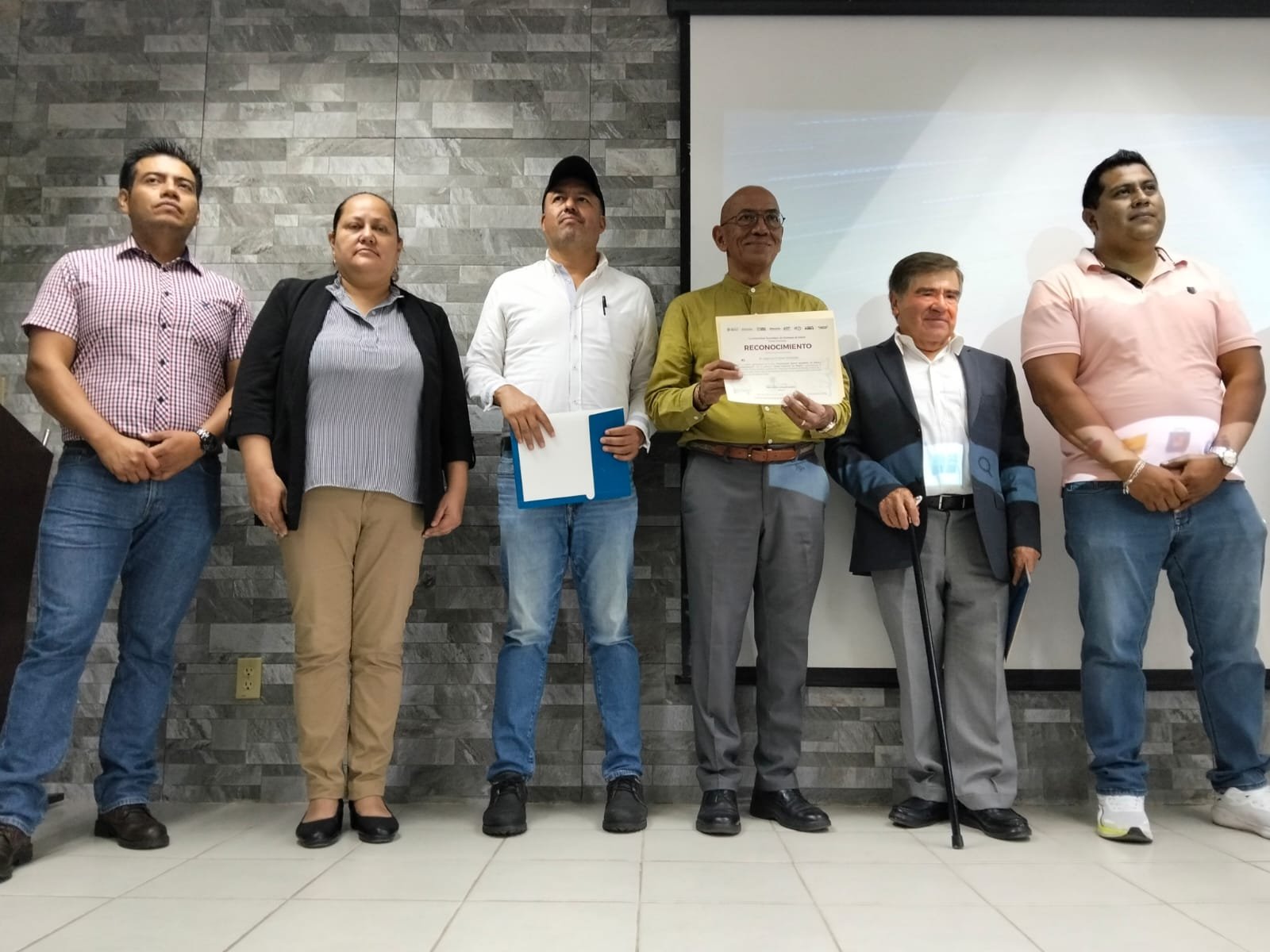
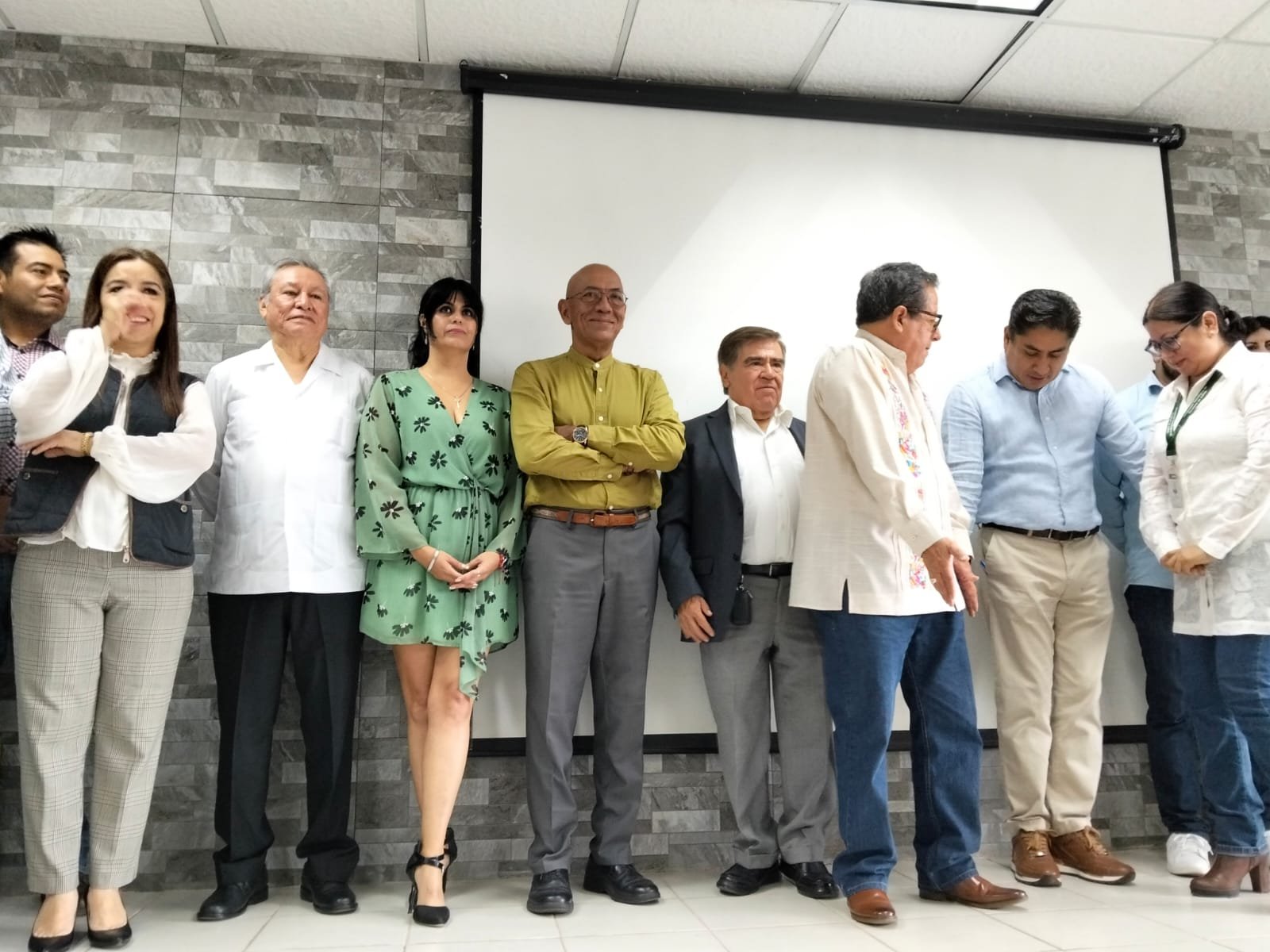
The forum Building healthy young people, Universidad Tecnológica de Xicotepec de Juárez, with RE-NACERES and the Rotary Club.